how many carbs in 300 calories What 300 calories of different foods looks like graphic
Hey there! Are you ready to dive into the fascinating world of nutrition? Today, we’re going to talk about a topic that’s on everyone’s mind: how many carbs and calories should you consume to achieve your weight loss goals? Let’s explore the importance of these factors and how they can help you achieve your ideal figure.
The Role of Carbohydrates
Carbohydrates are an essential macronutrient that provides our bodies with energy. However, the amount of carbs you consume can greatly impact your weight loss journey. It’s important to find the right balance.
 As you can see from the image above, carbohydrates for weight loss can vary depending on individual needs and goals. It’s crucial to consult with a nutritionist or dietitian to determine your specific requirements.
Calories: The Energy Currency
Let’s not forget about calories! Calories are the energy currency that fuels our bodies. To lose weight effectively, it’s crucial to create a calorie deficit by consuming fewer calories than your body burns.
 In the image above, you can see the impact of different calorie levels on your weight loss journey. It’s worth noting that extreme calorie restrictions are not sustainable in the long run and may have adverse effects on your health.
Finding the Ideal Balance
As with any weight loss journey, balance and moderation are key. It’s essential to fuel your body with a variety of nutrient-rich foods, including whole grains, lean proteins, fruits, and vegetables. These foods provide the necessary vitamins, minerals, and fiber while keeping your calorie intake in check.
Remember, the process of losing weight is highly individualized. What works for someone else may not work for you. It’s vital to listen to your body and work with a healthcare professional to develop a personalized plan tailored to your needs.
So, how many carbs and calories should you consume to lose weight? The answer lies in finding the right balance that suits your unique needs. Stay consistent, stay motivated, and you’ll soon achieve the results you desire.
Before making any significant changes to your diet, always consult with a healthcare professional or a registered dietitian who can guide you on the best path for your weight loss journey. Remember, your health and well-being should always be your top priority!
Keep up the good work, and remember to stay positive and be kind to yourself throughout your weight loss journey. You’ve got this!
If you are looking for Ep. 48 - Dedication to Education: Carbohydrate Amount Directly Impacts you’ve came to the right page. We have 5 Pics about Ep. 48 - Dedication to Education: Carbohydrate Amount Directly Impacts like How To Eat 300 Grams Of Carbs A Day? | Marham, What 300 Calories of Different Foods Looks Like Graphic and also How To Eat 300 Grams Of Carbs A Day? | Marham. Read more:
Ep. 48 - Dedication To Education: Carbohydrate Amount Directly Impacts
chrislowenutrition.comHow To Eat 300 Grams Of Carbs A Day? | Marham
 www.marham.pkcarbs marham specialities
What Is Your Body’s Preferred Source Of Energy? - Quantify Fitness
 quantifyfitness.comcarbs
What 300 Calories Of Different Foods Looks Like Graphic
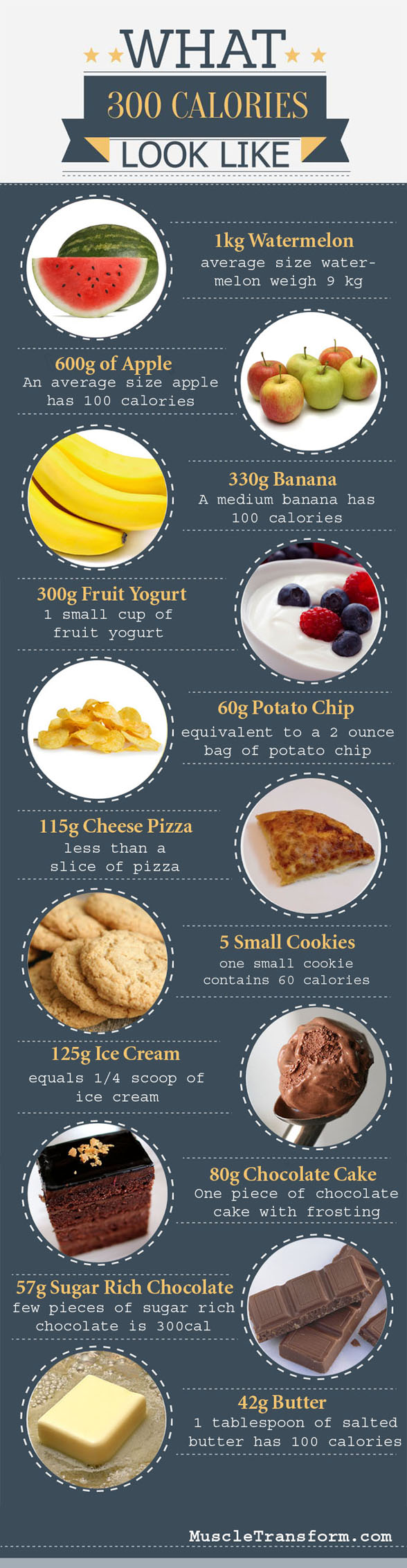 muscletransform.com300 calories foods food graphic different grams looks carbs many
How Many Carbs And Calories To Lose Weight - Ideal Figure
ultimatestoragesystems.comweight lose fat carbs many carb low eating belly without calories healthy diet grams ways loss way reduce burning foods
How many carbs and calories to lose weight. Weight lose fat carbs many carb low eating belly without calories healthy diet grams ways loss way reduce burning foods. What is your body’s preferred source of energy?