what were your symptoms of gestational diabetes Gestational mellitus
Gestational diabetes is a common pregnancy complication that can affect both the mother and the baby. It occurs when a pregnant woman’s body is unable to produce enough insulin to regulate blood sugar levels. As a result, the blood sugar levels rise and can cause a range of symptoms and health risks. It is essential to be aware of the signs and symptoms of gestational diabetes to ensure timely diagnosis and management of this condition.
Signs and Symptoms of Gestational Diabetes
 Gestational diabetes can manifest in various ways and may include the following signs and symptoms:
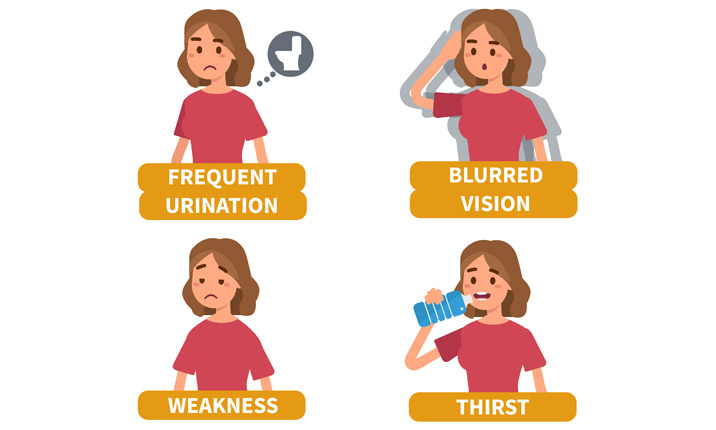
- Unusual thirst and increased fluid intake: Excessive thirst is often one of the early signs of gestational diabetes. The body requires more water to eliminate the excess sugar.
- Frequent urination: Higher blood sugar levels can interfere with the kidneys’ ability to reabsorb water, leading to increased urine production.
- Feeling fatigued: The body’s inability to effectively utilize glucose can leave expectant mothers feeling tired and lacking energy.
- Increase in appetite: Pregnant women with gestational diabetes often experience increased hunger and cravings due to imbalanced blood sugar levels.
- Blurred vision: Elevated blood sugar can cause changes in the shape of the lens, resulting in blurred vision.
- Recurrent yeast infections: The high glucose levels in the vagina can create an environment where yeast can grow and cause infections.
- Weight loss despite increased appetite: While weight gain is typical during pregnancy, women with gestational diabetes may lose weight due to the body’s inability to metabolize glucose effectively.
- Frequent infections: High blood sugar levels can impair the immune system, making pregnant women more susceptible to infections.
- Nausea and vomiting: Some pregnant women with gestational diabetes may experience morning sickness-like symptoms.
- Tingling or numbness in the hands and feet: Elevated blood sugar levels can damage nerves and lead to peripheral neuropathy.
- Difficulty sleeping: Hormonal changes, discomfort, and elevated blood sugar levels can make it challenging for pregnant women with gestational diabetes to get restful sleep.
- High blood pressure: Gestational diabetes increases the risk of developing high blood pressure during pregnancy.
- Large birth weight: Infants of mothers with gestational diabetes may be larger than average due to the excess glucose crossing the placenta.
- Preterm birth: Gestational diabetes increases the risk of premature birth.
It is important to note that the presence of these symptoms does not necessarily indicate gestational diabetes. Only a medical professional can diagnose this condition through proper testing and evaluation. If you experience any of these symptoms during pregnancy, it is essential to consult with your healthcare provider.
Managing Gestational Diabetes
 If diagnosed with gestational diabetes, there are various steps you can take to manage the condition and optimize your health and your baby’s well-being:
- Follow a balanced diet: Consult with a registered dietitian to develop a meal plan that helps regulate blood sugar levels and ensures proper nutrition for both you and your baby.
- Monitor blood sugar levels: Regularly check your blood sugar levels at home and maintain a record to guide your healthcare team in adjusting your treatment plan.
- Engage in regular physical activity: Staying active during pregnancy can help regulate blood sugar levels and contribute to overall well-being.
- Take prescribed medication if necessary: In some cases, insulin or other medications may be required to manage gestational diabetes.
- Attend regular check-ups: Maintain regular appointments with your healthcare provider to monitor your progress, address concerns, and adjust your treatment plan if needed.
- Test blood sugar levels in newborns: After delivery, your baby’s blood sugar levels should be monitored to ensure they remain stable.
By following these measures and working closely with your healthcare team, you can effectively manage gestational diabetes and reduce the associated risks. Remember, early diagnosis and prompt intervention are crucial to ensure a healthy pregnancy and a positive outcome for both mother and baby.
If you are searching about What Is Gestational Diabetes? Symptoms, Affects, Risks, Diagnosis And you’ve visit to the right place. We have 5 Pictures about What Is Gestational Diabetes? Symptoms, Affects, Risks, Diagnosis And like 14 Signs & Symptoms of Gestational Diabetes (Diabetes during Pregnancy, Pregnancy Complications: Gestational Diabetes | Dr. Joseph Jabbour and also gestational-diabetes-symptoms-1. Read more:
What Is Gestational Diabetes? Symptoms, Affects, Risks, Diagnosis And
 healthunits.comdiabetes gestational plan pregnancy diet healthy meal symptoms eat nutrition baby treatment management before risks general avoid good diagnosis affects
Diabetic Symptoms | Dr Diana Du Plessis
 www.dianaduplessis.co.zagestational diabetic persist develops advances
Pregnancy Complications: Gestational Diabetes | Dr. Joseph Jabbour
josephjabbour.com.augestational mellitus
Gestational-diabetes-symptoms-1
 www.parashospitals.comdiabetes gestational symptoms pregnancy
14 Signs & Symptoms Of Gestational Diabetes (Diabetes During Pregnancy
www.youtube.comdiabetes symptoms gestational signs pregnancy
14 signs & symptoms of gestational diabetes (diabetes during pregnancy. Diabetes symptoms gestational signs pregnancy. What is gestational diabetes? symptoms, affects, risks, diagnosis and